

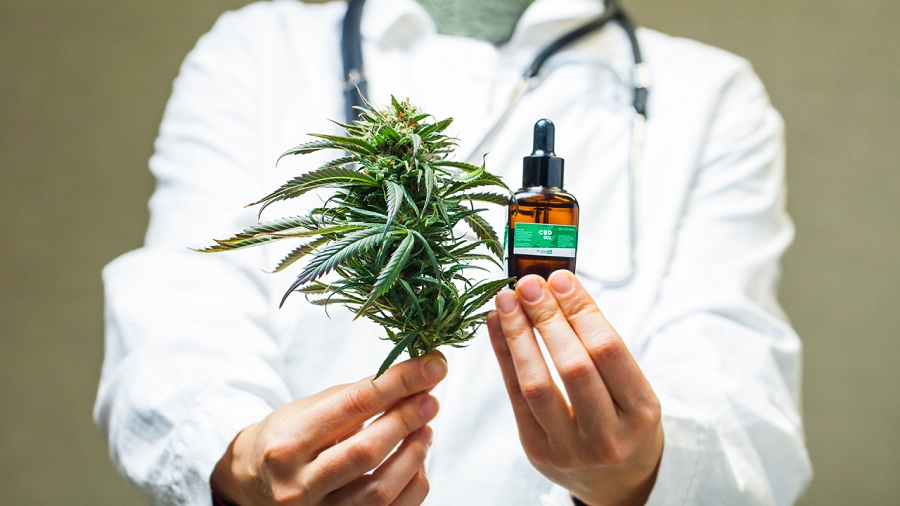
Endometriosis affects around 1.5 million women in the UK, and the average time to diagnosis is still roughly eight years. Eight years of being told it’s just a bad period and having pain dismissed as normal. By the time many women finally get answers, they’ve already spent years trying to find something, anything, that takes the edge off. So it’s not surprising that interest in medical cannabis for endometriosis has grown significantly over the last few years.
This isn’t a fringe conversation anymore. Patients are bringing it up in GP surgeries, in endometriosis support groups, and on forums where women compare notes on what’s actually worked for them when conventional medicine has fallen short. The question isn’t really whether people are using cannabis for endo pain. They are. The question is whether doing it through a legal, clinical route makes a difference.
Why Conventional Treatments Leave So Many People Looking Elsewhere
The standard treatment options for endometriosis range from hormonal contraceptives to surgery, with various combinations of painkillers in between. For some women, this works well enough. For others, the hormonal side effects are intolerable, or the surgery provides only temporary relief, or the pain simply doesn’t respond the way it’s supposed to. The condition is notoriously unpredictable like that.
NSAIDs like ibuprofen are often the first port of call, and they do help some people. But taking them daily, or near-daily, carries its own risks over time. And for chronic pelvic pain that doesn’t follow a neat monthly pattern, the idea of managing it with over-the-counter painkillers starts to feel a bit absurd after a while.
Opioids get prescribed too, more often than is probably ideal given the long-term complications. This is partly why some patients and clinicians are looking at alternatives that might offer pain relief without the same dependency risks.
What the Science Actually Says
The research on cannabis and endometriosis is still catching up, which is an honest thing to say upfront. There’s no large-scale clinical trial that’s definitively established dosing, long-term outcomes, or which specific cannabinoids are most relevant. What there is, though, is a growing body of evidence pointing to the endocannabinoid system playing a role in how pain and inflammation are regulated, particularly in reproductive tissue.
Studies have found that endometrial lesions express cannabinoid receptors, which is interesting because it suggests there’s a biological mechanism by which cannabinoids could theoretically affect the condition rather than just masking pain signals in a generalised way. That’s meaningfully different from how most conventional painkillers work.
Patient-reported data is also becoming harder to ignore. Surveys of women with endometriosis consistently show that a significant proportion are already using cannabis to manage symptoms, and many report improvements in pain, sleep, and quality of life. Anecdotal evidence isn’t the same as clinical proof, obviously, but it does point researchers in useful directions.
Medical Cannabis in the UK: How It Actually Works for Endo Patients
Medical cannabis has been legally prescribable in the UK since November 2018, though access through the NHS remains limited in practice. Most patients who obtain it do so through specialist private clinics, where a consultation with a prescribing doctor determines whether cannabis-based medicine is appropriate for them.
For endometriosis specifically, it tends to be considered for patients who haven’t responded adequately to other treatments, which describes a lot of people with this condition. The prescribing isn’t a free-for-all; clinicians look at symptom history, previous treatments tried, and whether there are any contraindications. It’s a medical consultation, not a dispensary visit.
Products vary too. Some patients are prescribed oil-based preparations, others dried flower for vaporisation. The cannabinoid ratios differ depending on what’s being targeted, and this is genuinely where having clinical oversight matters, because self-medicating with unknown-strength products bought elsewhere doesn’t come with any of that nuance.
Is It Worth Exploring?
For women who’ve been managing endometriosis for years with limited success, the answer seems to be that it’s at least worth a proper conversation. Not a rushed GP appointment where you sense you’re already being humoured, but a real clinical discussion with someone who understands both the condition and the evidence base around cannabis-based medicines.
It won’t be the right fit for everyone. But given how badly conventional medicine has served so many endo patients, dismissing it out of hand doesn’t serve anyone particularly well either.