

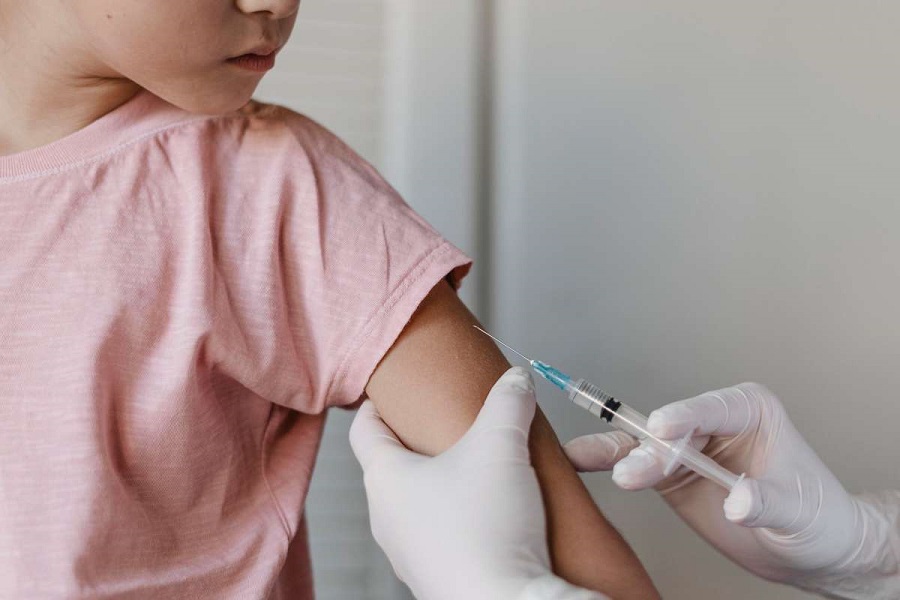
Vaccination is one of the greatest triumphs in the history of modern medicine, and it remains one of the most effective ways to safeguard public health. Vaccines have saved millions of lives, preventing the spread of infectious diseases and, in some cases, eradicating them entirely. While many people are familiar with vaccines, the specifics of vaccination schedules and their importance may not be as widely understood. For new parents, young adults, or anyone unfamiliar with the intricacies of immunization, understanding vaccination schedules is crucial for long-term health success. This beginner’s guide will break down the essentials of vaccination schedules, why they are important, and how to navigate them to ensure optimal protection against preventable diseases.
The Importance of Vaccination Schedules
Vaccines are designed to stimulate the immune system to recognize and fight specific pathogens without causing the illness itself. By adhering to a recommended vaccination schedule, individuals can build immunity to a range of infectious diseases—many of which can lead to severe illness or even death if contracted. Vaccination schedules are not arbitrary; they are carefully crafted by health authorities, such as the Centers for Disease Control and Prevention (CDC) in the United States, based on decades of research and evidence about the best times to administer vaccines for maximum efficacy.
A vaccination schedule is particularly critical for children, as they are more vulnerable to infections due to their developing immune systems. However, vaccines aren’t just for kids. Adults also need to stay on top of vaccinations to maintain immunity throughout their lives. Failing to adhere to recommended schedules can leave individuals vulnerable to disease outbreaks, such as measles, whooping cough, or influenza, which can have serious long-term consequences, including complications or long-term health issues.
Infant and Toddler Vaccination Schedule
The first few years of life are crucial for building immunity, which is why vaccination schedules for infants and toddlers are carefully designed to protect them during their most vulnerable periods. The schedule is generally divided into early childhood (birth to age 2), with some vaccines requiring additional doses during school-age years.
-
Birth to 6 Months:
-
Hepatitis B (HepB): The first dose is given at birth, with subsequent doses administered at 1-2 months and 6-18 months.
-
Diphtheria, Tetanus, and Pertussis (DTaP): The first dose is given at 2 months, followed by doses at 4 months, 6 months, and 15-18 months.
-
Haemophilus influenzae type b (Hib): First dose at 2 months, followed by additional doses at 4 months and 6 months, depending on the vaccine type.
-
Polio (IPV): First dose at 2 months, followed by additional doses at 4 months, 6-18 months, and a final dose at 4-6 years.
-
Pneumococcal conjugate vaccine (PCV13): First dose at 2 months, with additional doses at 4 months, 6 months, and 12-15 months.
-
Rotavirus (RV): Administered in two or three doses, depending on the vaccine brand, starting at 2 months.
-
By following this schedule, infants can develop immunity to some of the most dangerous diseases, helping them avoid serious health issues early in life.
-
6-18 Months:
-
Measles, Mumps, and Rubella (MMR): The first dose is given at 12-15 months, with a second dose recommended at 4-6 years.
-
Varicella (chickenpox): Given as a two-dose series, with the first dose at 12-15 months and the second at 4-6 years.
-
Hepatitis A (HepA): Two doses are administered at least 6 months apart, starting at age 1.
-
These vaccines are designed to protect against diseases that can have long-term or life-threatening consequences. The timing is critical because early childhood is a period when these diseases can be particularly harmful, and immunity is most effective when administered according to schedule.
Vaccines for School-Age Children and Adolescents
As children grow, they require additional vaccines to ensure they are protected as they enter school and social settings. The schedule for school-age children typically includes booster shots to maintain immunity and vaccines for diseases that are more common in childhood and adolescence.
-
4-6 Years:
-
DTaP: A fifth dose is administered.
-
Polio (IPV): The fourth dose is given.
-
MMR: The second dose is recommended.
-
Varicella: The second dose is given.
-
These vaccines not only protect children from diseases like polio, measles, and chickenpox but also contribute to herd immunity, which helps protect those who cannot be vaccinated due to medical reasons.
-
11-12 Years:
-
Human Papillomavirus (HPV): The HPV vaccine is recommended for both boys and girls to protect against the types of HPV that cause cervical cancer, genital warts, and other cancers.
-
Meningococcal (MenACWY): The first dose is given at age 11-12, with a second dose at age 16.
-
Tdap (Tetanus, Diphtheria, Pertussis): A booster shot is given at age 11-12 to protect against pertussis (whooping cough), which can be especially dangerous for infants.
-
These vaccines help protect adolescents from serious diseases and help ensure that they are protected during critical years when they may be more susceptible to certain infections, particularly those transmitted in schools or social gatherings.
Adult Vaccination: Continuing Protection Through Life
Vaccination doesn’t stop once childhood ends. In fact, adults need to stay on top of vaccines to maintain immunity and protect themselves from diseases that may be more prevalent in adulthood or as they age.
-
Flu Vaccine: Annual flu shots are recommended for everyone aged 6 months and older. Because the flu virus changes every year, vaccination is needed annually to provide protection.
-
Tdap or Td: Adults who have not received a Tdap vaccine (which includes protection against pertussis) should get a booster shot once every 10 years, or sooner if they are in close contact with infants.
-
Shingles Vaccine: Adults aged 50 and older should receive the shingles vaccine to prevent this painful condition, which is caused by the reactivation of the chickenpox virus.
-
Pneumococcal Vaccines: Adults 65 and older, or those with specific health conditions, should receive the pneumococcal vaccine to protect against pneumonia and related complications.
Keeping up with the adult vaccination schedule is essential for reducing the risk of severe disease, particularly in older adults who may face more significant complications from infections like pneumonia, shingles, or the flu.
Key Considerations for Success
While following a vaccination schedule is vital for ensuring long-term health, there are several factors to keep in mind to ensure success:
-
Consult Your Healthcare Provider: Always consult your doctor or pediatrician to confirm which vaccines are appropriate for you or your child, especially if there are underlying health conditions or other special considerations.
-
Stay Up to Date: Vaccine recommendations and schedules may change based on new research or emerging health threats. It’s important to stay informed and adhere to updated guidelines.
-
Maintain Records: Keep a detailed record of vaccinations to ensure that no doses are missed. Many healthcare providers offer immunization registries that can help track and manage vaccinations.
-
Community Health: Remember that vaccination not only protects you and your family but also contributes to the broader public health goal of achieving herd immunity. This is especially important for those who are unable to receive vaccines due to medical reasons, such as infants or immunocompromised individuals.
Conclusion: The Path to Long-Term Health Success
Vaccination schedules are an essential part of maintaining health throughout life. Whether you’re guiding a newborn through their first set of shots or ensuring that you stay up to date as an adult, following the appropriate vaccination timeline is crucial for long-term success. By adhering to these schedules, you’re not only protecting yourself but also contributing to a healthier, safer community for everyone. With the science of vaccines continuously advancing, we can be optimistic about our ability to prevent a wide range of infectious diseases and pave the way for a future with less illness and better overall health outcomes.